Share Wildlife Protection Area categories on Facebook
Share Wildlife Protection Area categories on X (formerly Twitter)
Share Wildlife Protection Area categories on Linkedin
Email Wildlife Protection Area categories link
The two proposed trial WPA sites are listed below along with the size of the reserve, the proposed categories of WPA being recommended and the size of the prohibition areas.
|
Town
|
Reserve
|
Area of WPA (Cat1/Cat2)
|
|
Springwood
Katoomba
|
Sassafras Gully
Bonnie Doon
|
41.80 ha (Cat 1)/1.6ha (Cat 2)
59.97 ha (Cat 1)/0.51ha (Cat 2)
|
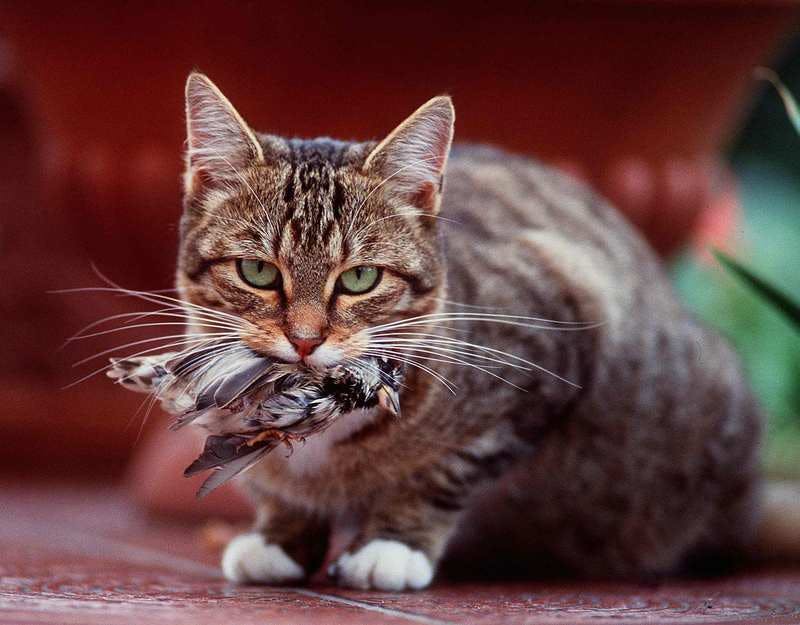
Wildlife Protection Areas can be declared as one of two categories:
- Category 1 lands prohibit both cats and dogs as per S.30 c.1(b) and S.14 c. 1(h) of the NSW Companion Animals Act 1998.
- Category 2 lands prohibit cats as per S.30 c.1(b) of the NSW Companion Animals Act 1998. Dogs that are on a leash will be permitted on formed tracks, pathways or roads in Category 2 lands.
The two proposed trial WPA sites are listed below along with the size of the reserve, the proposed categories of WPA being recommended and the size of the prohibition areas.
|
Town
|
Reserve
|
Area of WPA (Cat1/Cat2)
|
|
Springwood
Katoomba
|
Sassafras Gully
Bonnie Doon
|
41.80 ha (Cat 1)/1.6ha (Cat 2)
59.97 ha (Cat 1)/0.51ha (Cat 2)
|
Wildlife Protection Areas can be declared as one of two categories:
- Category 1 lands prohibit both cats and dogs as per S.30 c.1(b) and S.14 c. 1(h) of the NSW Companion Animals Act 1998.
- Category 2 lands prohibit cats as per S.30 c.1(b) of the NSW Companion Animals Act 1998. Dogs that are on a leash will be permitted on formed tracks, pathways or roads in Category 2 lands.
Share BMCC Wildlife Protection Area Policy on Facebook
Share BMCC Wildlife Protection Area Policy on X (formerly Twitter)
Share BMCC Wildlife Protection Area Policy on Linkedin
Email BMCC Wildlife Protection Area Policy link
In 2010 Council adopted the Wildlife Protection Area Policy to provide the framework for the Council to declare public lands, or part thereof, as a WPA.
The Wildlife Protection Area Policy has the following objectives:
1) To provide a transparent, community-supported process to enable the Council to declare a public place, or part thereof, as a Wildlife Protection Area;
2) To protect native wildlife in Council managed reserves;
3) To reduce the area of land subject to impacts associated with companion animals; and
4) To further communicate the responsibility of companion animal ownership.
In 2010 Council adopted the Wildlife Protection Area Policy to provide the framework for the Council to declare public lands, or part thereof, as a WPA.
The Wildlife Protection Area Policy has the following objectives:
1) To provide a transparent, community-supported process to enable the Council to declare a public place, or part thereof, as a Wildlife Protection Area;
2) To protect native wildlife in Council managed reserves;
3) To reduce the area of land subject to impacts associated with companion animals; and
4) To further communicate the responsibility of companion animal ownership.